
An ECN broker doesn’t take the other side of a trade the way a traditional market maker might — instead, it plugs a trader directly into a network of real liquidity providers competing for the order. This FXM680 guide explains how that changes execution.
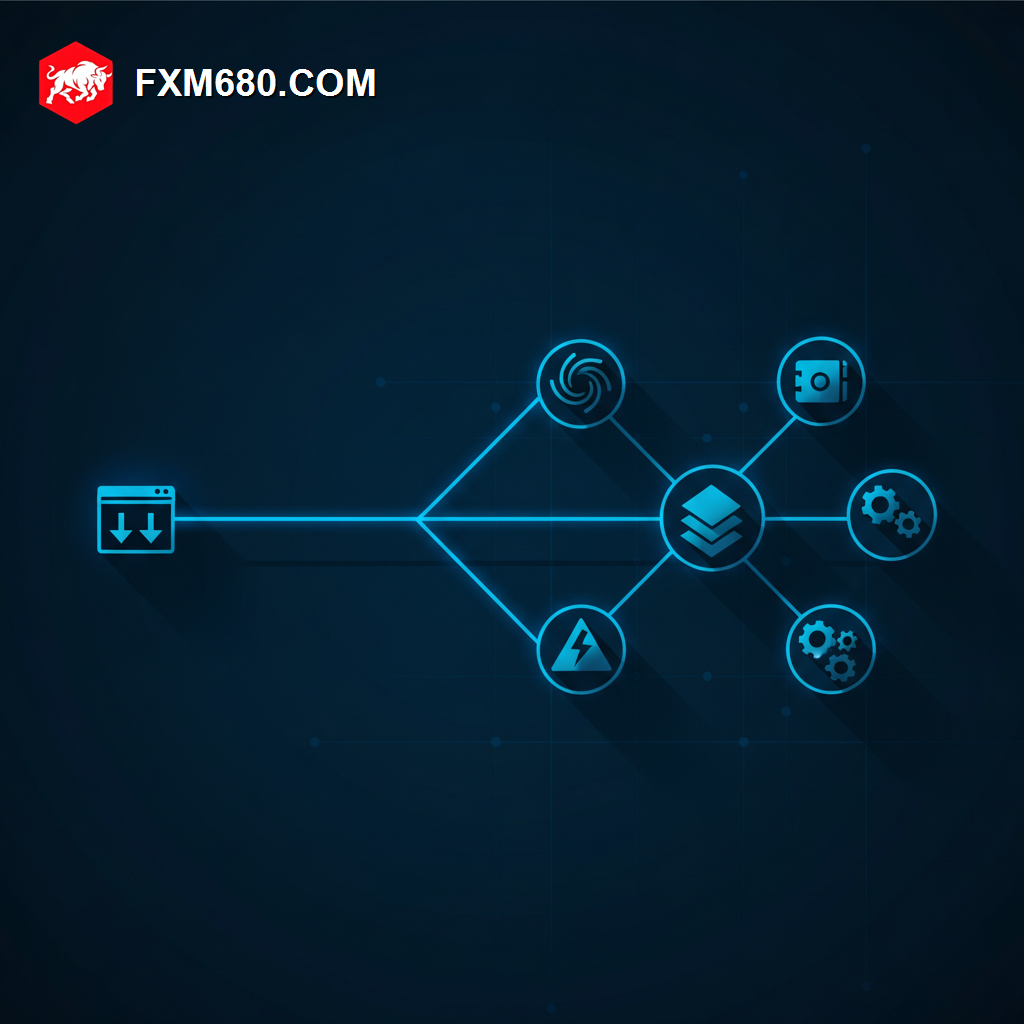
Table of Contents
What Is An ECN Broker? An In-Depth Overview
An ECN, or Electronic Communications Network, broker connects traders directly to a network of liquidity providers — banks, hedge funds, and other financial institutions — rather than taking the other side of client trades internally. Orders are matched continuously with other market participants within this network, organized much like a genuine exchange rather than routed through a single internal dealing desk.
Why This Model Matters for Traders
Because an ECN broker doesn’t profit from client losses the way a traditional dealing-desk model can, it charges a fixed commission per lot instead, which supports a fairer pricing structure and reduces the potential conflict of interest between broker and client that exists under other execution models. This structural difference is a major reason ECN accounts are popular among traders who prioritize transparent, direct market pricing.
Detailed Analysis of How ECN Execution Works
Order Routing
An ECN broker passes client orders through to the interbank market or its pool of liquidity providers, where trades are continuously matched with other real market participants rather than absorbed internally.
Price Aggregation
ECN brokers aggregate quotes from multiple liquidity sources simultaneously and display the single best available bid and ask price in real time, giving traders access to genuinely competitive market pricing.
Raw Spreads Plus Commission
Traders on an ECN account receive raw market spreads — often as tight as 0.8 pips on major pairs — with execution handled automatically through the network, and the broker’s compensation comes from a separate, fixed commission per lot traded rather than from marking up the spread itself.

| Feature | ECN Model |
|---|---|
| Order routing | Directly to liquidity providers/interbank market |
| Spread | Raw, tight, market-driven (often under 1 pip on majors) |
| Broker compensation | Fixed commission per lot, not spread markup |
The Cost Structure Difference
ECN accounts typically separate trading cost into two visible components — a tight raw spread plus a stated commission per lot — rather than bundling everything into a single, potentially wider spread the way some other account types do. This separation gives traders clearer visibility into exactly what they’re paying for execution, though the total cost needs to be compared against a standard account’s all-in spread to judge which structure is actually cheaper for a given trading style.
Who ECN Accounts Suit Best
ECN accounts are particularly popular among traders engaged in scalping, high-frequency trading, and other strategies that depend heavily on tight spreads and fast, direct market access, since the cumulative cost of spread matters much more to high-frequency strategies than to less active ones. Traders making fewer, larger trades may find a standard account’s simpler all-in-spread structure perfectly adequate, making the ECN model’s real advantage most pronounced for active, execution-sensitive trading styles.
Common Pitfalls to Avoid
A common mistake is comparing an ECN account’s headline raw spread against a standard account’s spread without factoring in the ECN account’s additional per-lot commission, understating the ECN account’s true total cost. Another is assuming every broker advertising “ECN” genuinely routes orders to real liquidity providers, when the label is sometimes used loosely — checking a broker’s actual execution model and regulatory disclosures matters more than the marketing term alone.
Frequently Asked Questions
Is an ECN account always cheaper than a standard account? Not necessarily — it depends on trading frequency and volume, since the combined raw spread plus commission needs to be compared directly against a standard account’s all-in spread.
Does an ECN broker ever take the other side of a trade? Genuine ECN execution routes orders to external liquidity providers rather than the broker itself, reducing the structural conflict of interest present in dealing-desk models.
Are ECN accounts suitable for beginners? They can be, though the separate commission structure and typically higher minimum deposits mean some newer traders start with a standard account before moving to ECN as trading volume grows.
Continue Your Forex Learning Journey with FXM680
ECN execution connects closely to broker cost structure. See Bid-Ask Spread Explained and STP Broker Model Explained next.
Disclaimer: The content provided on this page is for informational and educational purposes only. Trading financial markets involves significant risk. Consult with a certified financial advisor before making any investment decisions.

Keep Learning
Choose A Broker With Confidence
ECN is one of several broker execution models worth knowing. Explore the full FXM680 Forex Academy to learn them all.