
Not all broker regulation is equal — the licensing body standing behind a broker can mean the difference between meaningful investor protection and a much thinner safety net. This FXM680 guide explains what the major forex regulators actually do.
Table of Contents
- What Do Forex Regulators Actually Do? An In-Depth Overview
- Why Regulation Matters for Traders
- Detailed Analysis of The Major Regulators
- Why Regulatory Quality Varies
- How Traders Typically Vet A Broker’s Regulation
- Common Pitfalls to Avoid
- Frequently Asked Questions
- Continue Your Forex Learning Journey with FXM680
What Do Forex Regulators Actually Do? An In-Depth Overview
Forex regulatory bodies are government or government-authorized agencies that license, oversee, and enforce standards on brokers operating in their jurisdiction, aiming to protect retail traders from fraud, insolvency, and unfair trading practices. A broker’s regulatory status directly affects what protections a trader actually has if something goes wrong — from fund segregation requirements to compensation schemes covering broker insolvency.
Why Regulation Matters for Traders
Regulatory oversight isn’t just a formality — it determines concrete protections like maximum leverage limits, requirements to keep client funds segregated from company operating funds, and whether a compensation scheme exists to reimburse clients if a broker becomes insolvent. Choosing a broker regulated by a reputable authority meaningfully reduces the risk of fraud or mishandled funds compared to trading with an unregulated or loosely regulated entity.
Detailed Analysis of The Major Regulators
FCA (Financial Conduct Authority, UK)
Widely considered the gold standard for forex broker oversight, the FCA provides UK clients with protection including compensation coverage up to £85,000 through the FSCS scheme and caps retail leverage at 30:1, alongside a long history of enforcement action against non-compliant firms.
ASIC (Australian Securities and Investments Commission, Australia)
ASIC is Australia’s primary financial regulator and an independent government body overseeing forex and CFD markets, having reduced maximum retail leverage from 500:1 to 30:1 in 2021 as part of a broader push to strengthen investor protection.
CySEC (Cyprus Securities and Exchange Commission)
As an EU member regulator enforcing MiFID II standards, CySEC-licensed brokers can passport their services across the entire EU. CySEC offers a comparatively faster and less expensive licensing route than the FCA, making it a common choice for newer brokers — though this has historically meant somewhat less stringent enforcement than regulators in the UK, US, or Australia.
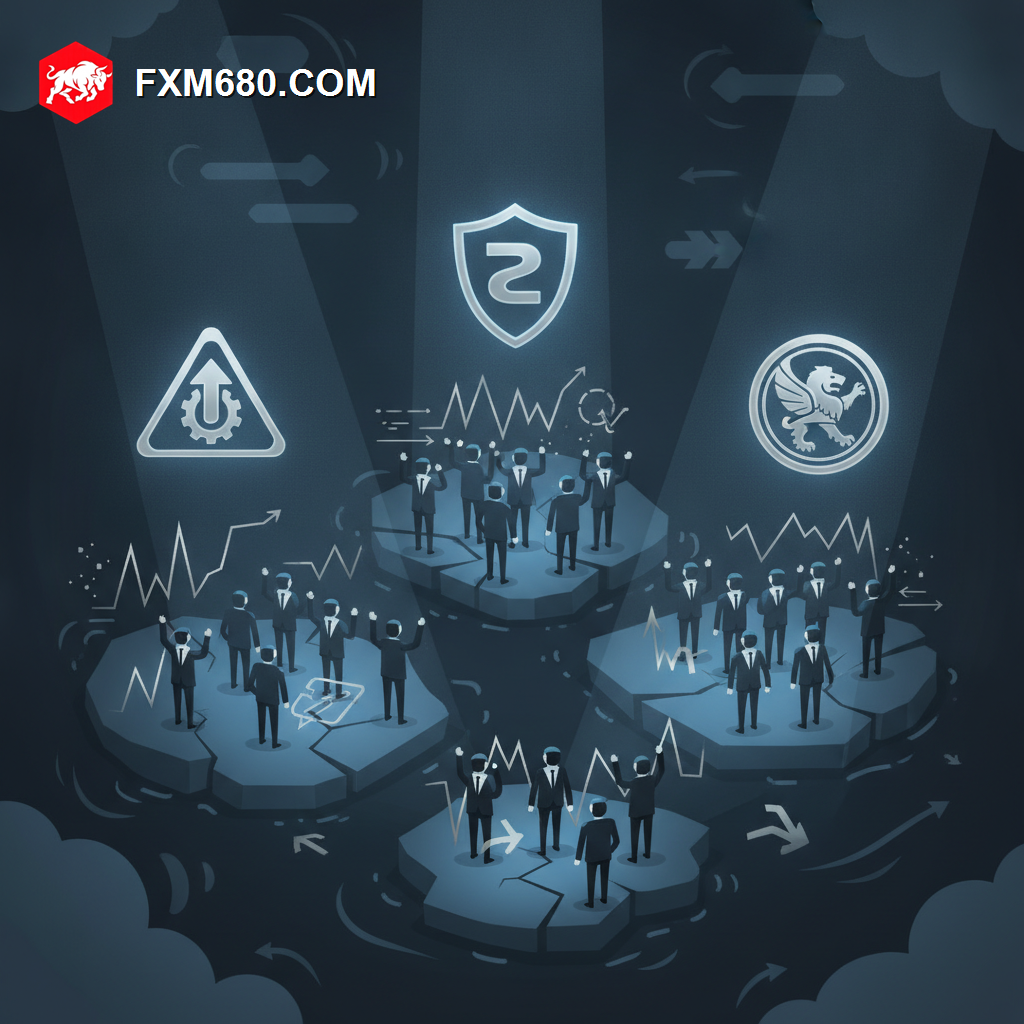
| Regulator | Jurisdiction | Retail Leverage Cap |
|---|---|---|
| FCA | United Kingdom | 30:1 |
| ASIC | Australia | 30:1 |
| CySEC | Cyprus / EU (MiFID II) | 30:1 |
Why Regulatory Quality Varies
Not every licensing jurisdiction enforces its rules with equal rigor — CySEC’s relatively faster, less expensive licensing route has made Cyprus a hotspot for new brokers entering the market, which increases the number of CySEC-licensed brokers available but also means quality can vary more than among the smaller pool of FCA- or ASIC-licensed firms. This is why simply seeing “regulated” attached to a broker isn’t the full picture — which specific regulator, and what tier of oversight it represents, matters just as much.
How Traders Typically Vet A Broker’s Regulation
Checking a broker’s license number directly on the regulator’s own public register, rather than trusting a claim made on the broker’s own website, is the most reliable way to confirm regulatory status is genuine and current. Comparing the specific protections tied to a given regulator — leverage limits, compensation scheme coverage, fund segregation rules — provides a more complete picture than simply confirming that regulation exists in some form.
Common Pitfalls to Avoid
A common mistake is treating all regulatory badges as equivalent, when the practical protections and enforcement rigor genuinely differ between a top-tier regulator like the FCA and a much lighter-touch offshore licensing regime. Another is trusting a broker’s self-reported regulatory status without independently verifying the license number against the regulator’s own public database.
Frequently Asked Questions
Is an unregulated broker automatically a scam? Not necessarily, but trading with an unregulated broker removes the legal protections and dispute-resolution mechanisms that regulated status provides, meaningfully increasing risk.
Does regulation guarantee a broker won’t fail? No, regulation reduces fraud risk and provides recourse mechanisms, but it doesn’t eliminate the possibility of broker insolvency entirely.
Can a broker be regulated by more than one authority? Yes, many larger brokers hold licenses from multiple regulators across different regions to legally serve clients in each jurisdiction.
Continue Your Forex Learning Journey with FXM680
Regulation connects closely to broker selection more broadly. See How To Choose A Broker and Regulated Vs Unregulated Brokers next.
Disclaimer: The content provided on this page is for informational and educational purposes only. Trading financial markets involves significant risk. Consult with a certified financial advisor before making any investment decisions.

Keep Learning
Choose A Broker With Confidence
Regulation is one of many factors worth knowing before you deposit. Explore the full FXM680 Forex Academy to learn them all.