
AUD/USD pairs the Australian Dollar against the US Dollar, a pair closely tied to commodity prices and Asia-Pacific economic conditions. FXM680 looks at what actually moves this pair day to day.
Table of Contents
A Typical AUD/USD Trading Day
Picture a trader watching AUD/USD during the Sydney and Tokyo hours covered in FXM680’s guide on the Asian trading session. Overnight commodity price moves out of China and the US have already shaped where the pair opens, often before the trader has even logged in.
This is fairly typical for AUD/USD. Unlike pairs anchored purely to interest rate differentials, it reacts heavily to developments outside its own two countries, particularly commodity markets and Chinese economic data.
That makes it a pair worth understanding on its own terms rather than assuming it behaves like EUR/USD or other Dollar pairs.
What Actually Drives This Pair
Three forces tend to explain most of AUD/USD’s meaningful moves.
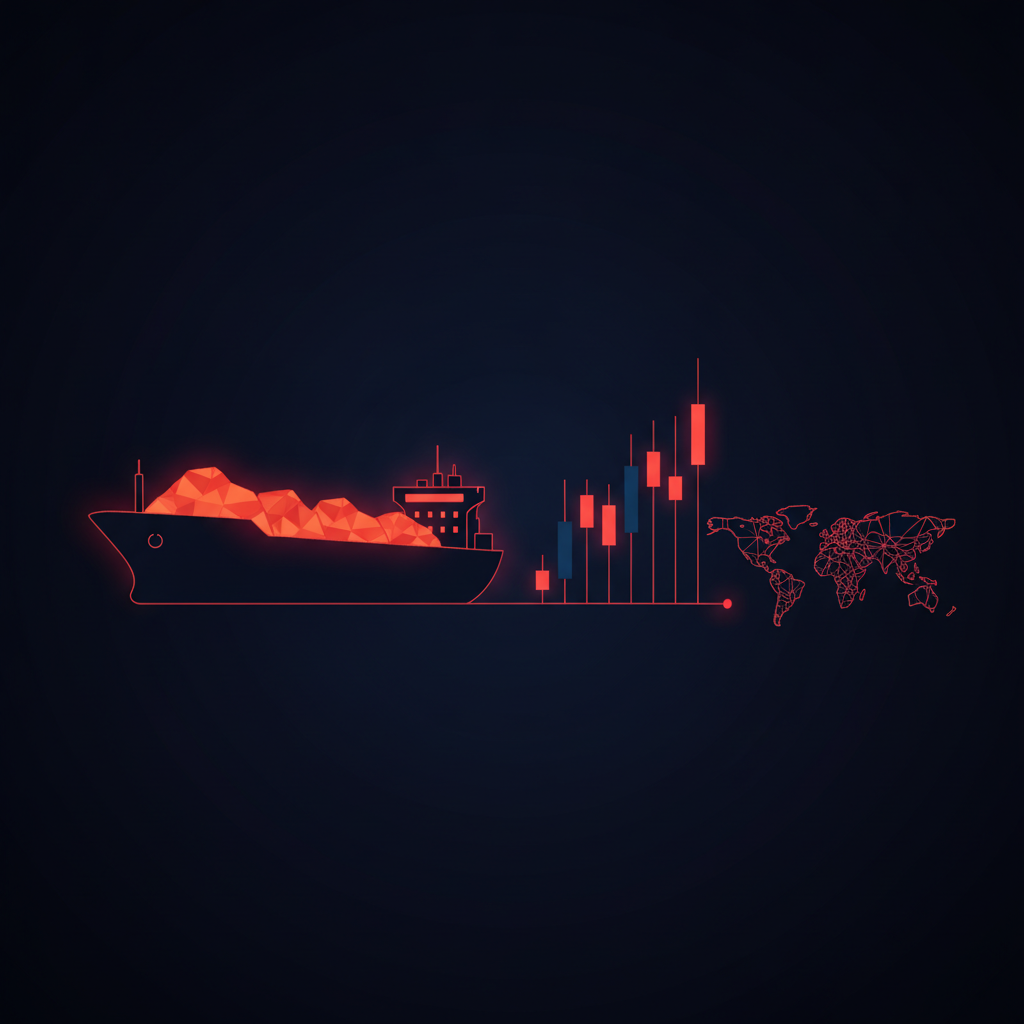
Commodity prices. Australia is a major exporter of iron ore, coal, and other raw materials, so shifts in global commodity demand can influence the Australian Dollar’s relative strength.
China’s economic data. As one of Australia’s largest trading partners, Chinese growth and demand figures often ripple into AUD/USD, even though China is not part of the pair itself.
Risk sentiment. The Australian Dollar is often treated as a higher-risk, growth-linked currency, meaning AUD/USD can weaken during broad risk-off periods and strengthen when market sentiment improves.
Interest rate policy from the Reserve Bank of Australia and the US Federal Reserve still matters, but it usually works alongside these three forces rather than in isolation.
| Driver | Typical Influence | Watch For |
|---|---|---|
| Commodity prices | Affects AUD strength via export demand | Iron ore and broader commodity indexes |
| Chinese data | Indirect but significant influence | Chinese GDP, trade, and manufacturing data |
| Risk sentiment | AUD often moves with broader risk appetite | Global equity market tone |
AUD/USD Compared to Other Major Pairs
Compared with EUR/USD or GBP/USD, AUD/USD is more exposed to commodity cycles and less tied to European or UK-specific developments.
It also tends to correlate more closely with other commodity-linked currencies, which is a useful reference point once you start exploring how currency pairs work as a broader system rather than isolated quotes.
When AUD/USD Deserves Extra Attention
Pay closer attention to AUD/USD around major Chinese economic releases, since these can move the pair even without any direct Australian news that day.
The Sydney and Tokyo session hours are also worth watching, since AUD/USD often sees a meaningful share of its daily activity during this window rather than later in London or New York hours.
Broad shifts in global risk sentiment, such as sudden equity market selloffs, are another signal worth tracking given the pair’s sensitivity to risk-on and risk-off conditions.
Frequently Asked Questions
Why does Chinese economic data affect AUD/USD?
Australia trades heavily with China, so Chinese demand and growth figures can indirectly influence the Australian Dollar.
Is AUD/USD considered a risk-sensitive pair?
Yes. The Australian Dollar is often treated as a growth-linked currency that responds to shifts in broader market risk sentiment.
Does AUD/USD trade the same way as EUR/USD?
Not exactly. It is more exposed to commodity prices and Asia-Pacific conditions rather than European economic developments.
Disclaimer: The content provided on this page is for informational and educational purposes only. Trading financial markets involves significant risk. Consult with a certified financial advisor before making any investment decisions.

Forex Academy
Continue Your Forex Learning Journey with FXM680
Now that you understand AUD/USD, the next step is exploring USD/CAD and its own set of commodity-linked drivers. Continue exploring the Forex Academy to keep learning.