
There is no single universally “correct” timeframe for beginners, but H1 and H4 charts strike a widely recommended balance between enough detail and manageable noise. Starting here helps new traders build solid habits before exploring shorter or longer timeframes, as this FXM680 guide explains.
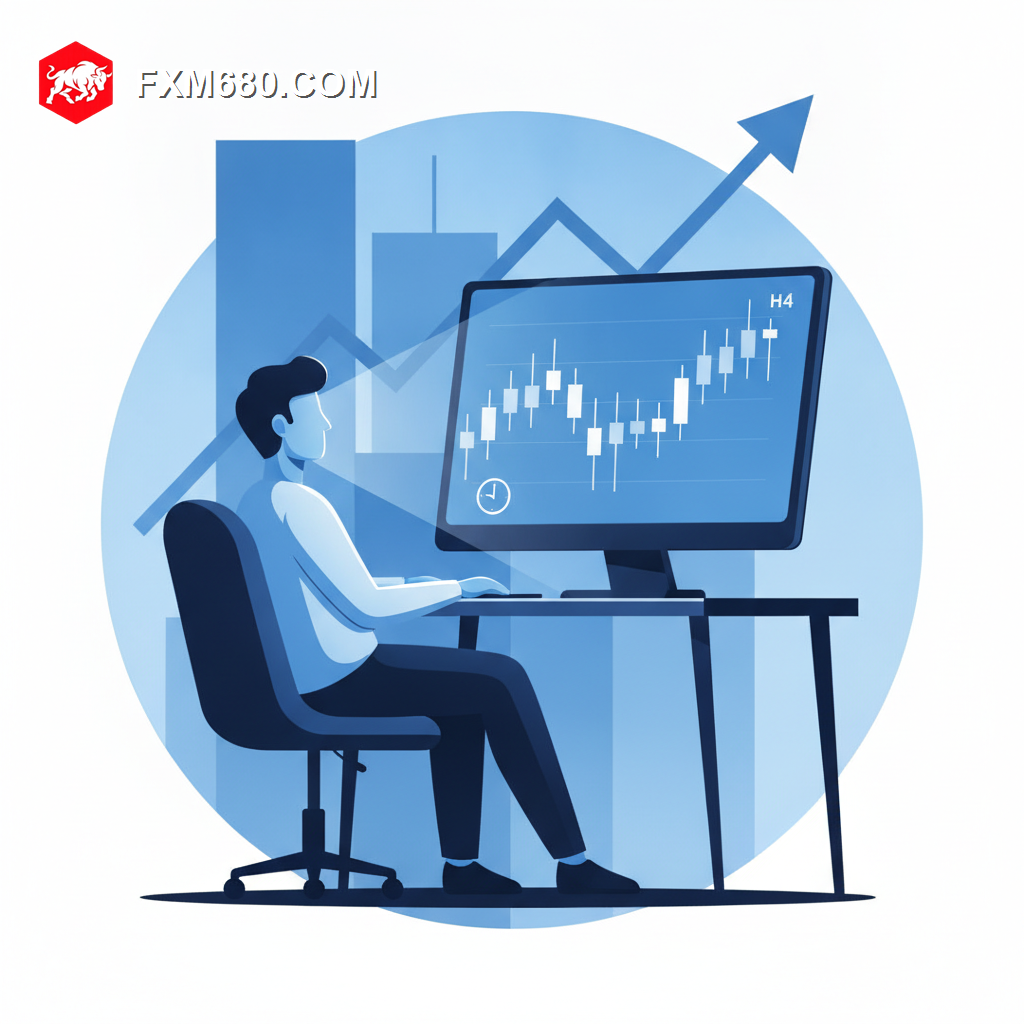
Table of Contents
Best Forex Timeframe For Beginners: An Overview
H1 (one hour) and H4 (four hour) charts are frequently recommended starting points, offering enough price detail for meaningful analysis without the overwhelming noise of very short timeframes.
Very short timeframes like M1 or M5 move quickly and require fast decision-making, a demanding combination for traders still building foundational skills.
Starting with a moderate timeframe allows beginners to practice patience and thorough analysis before eventually exploring faster-paced trading styles if desired.
Why Timeframe Choice Matters For New Traders
A timeframe that moves too quickly can overwhelm a beginner, encouraging impulsive decisions before analytical skills and discipline are fully developed.
Starting with a manageable pace also supports better trade journaling and review habits, since fewer, more considered trades are easier to analyze afterward.
Detailed Analysis of Beginner-Friendly Timeframes
H1 Charts
Hourly charts offer a reasonable number of trading opportunities per day while still allowing time for careful analysis before each decision.
H4 Charts
Four-hour charts move more slowly, suiting beginners who prefer fewer, more deliberate trades and less frequent chart monitoring throughout the day.
Combining With A Higher Timeframe
Even beginners benefit from checking a daily chart for broader trend context before acting on signals from their primary H1 or H4 chart.
| Timeframe | Beginner Suitability |
|---|---|
| H1 | Good balance of detail and pace |
| H4 | Slower pace, fewer decisions needed |
| D1 (context only) | Useful for broader trend confirmation |
Step-by-Step Guide to Starting With The Right Timeframe
- Begin with an H1 or H4 chart as the primary analysis timeframe.
- Check a daily chart briefly for broader trend context before each trade.
- Practice on a demo account until comfortable reading and acting on this timeframe.
- Journal each trade to review decision quality at this chosen pace.
- Gradually explore other timeframes only once the current one feels genuinely comfortable.
Common Pitfalls to Avoid
A common pitfall is starting on very short timeframes like M1 before foundational analysis skills are developed, leading to rushed, reactive decisions. Another is switching timeframes frequently while still learning, preventing the consistent practice needed to build genuine comfort.
Frequently Asked Questions
Is H4 better than H1 for beginners? Neither is definitively better, though H4’s slower pace can suit beginners who prefer fewer daily decisions.
Should beginners avoid M1 and M5 charts entirely? Not necessarily forever, but starting there is generally not recommended before foundational skills are built.
Can a beginner eventually move to scalping timeframes? Yes, once foundational analysis and discipline are solid, exploring faster timeframes becomes more reasonable.
Continue Your Forex Learning Journey with FXM680
Starting with a manageable timeframe builds strong foundational habits. The next lesson in this Academy explores multi-timeframe analysis, combining several timeframes together.
Disclaimer: The content provided on this page is for informational and educational purposes only. Trading financial markets involves significant risk. Consult with a certified financial advisor before making any investment decisions.
Keep Learning
Start At A Pace That Builds Skill
A manageable timeframe builds patience and discipline early. Explore the full FXM680 Forex Academy to learn multi-timeframe analysis next.