
Gross Domestic Product measures the total value of everything a country produces, and how that figure compares to expectations can move a currency sharply the moment it’s released. This FXM680 guide explains the connection.
Table of Contents
What Is GDP? An In-Depth Overview
Gross Domestic Product, or GDP, is the total market value of all goods and services produced by labor and property within a given economy over a specific period. Economists and traders alike use it as one of the primary gauges of how healthy and how fast-growing an economy currently is, released on a regular quarterly and annual schedule in most major economies.
Why GDP Matters for Traders
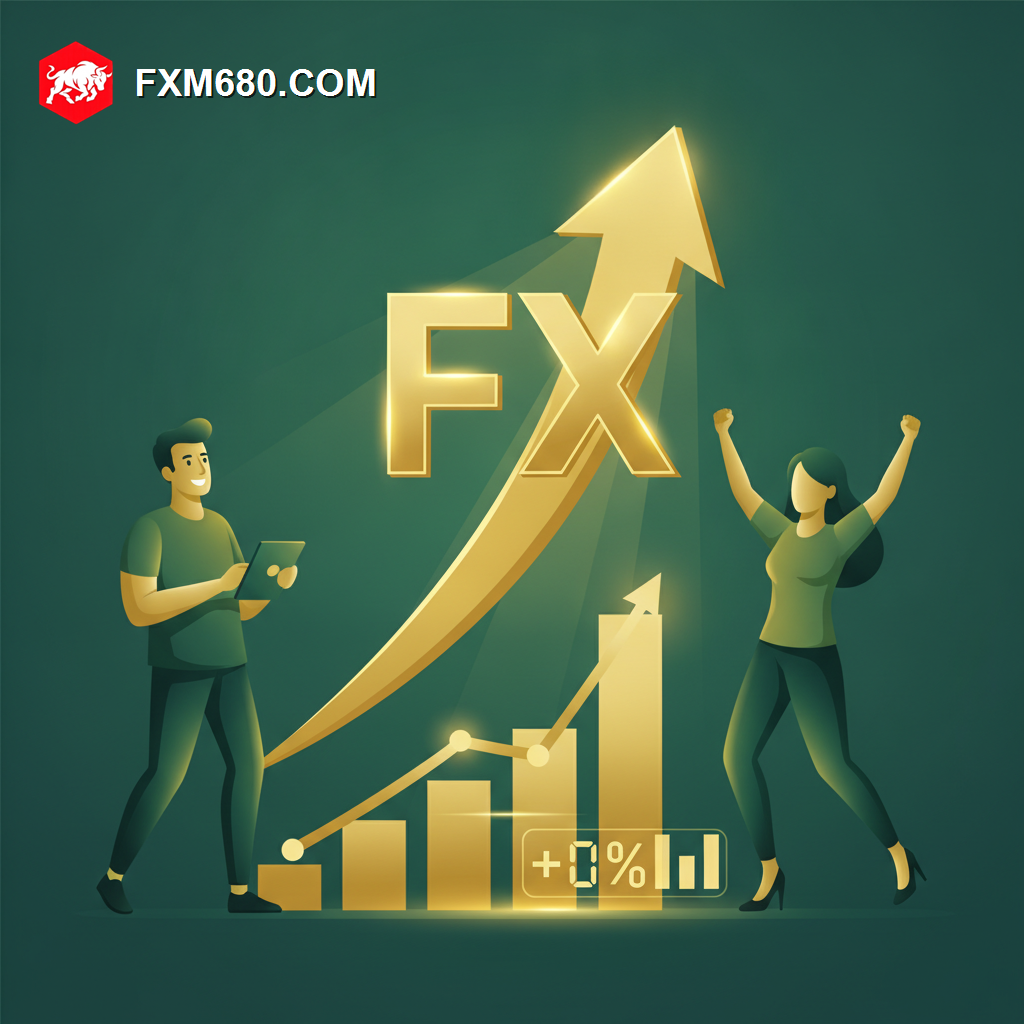
GDP growth impacts a country’s currency value by influencing several linked forces at once: economic performance, interest rate expectations, capital flows, trade balance, and overall market sentiment toward that economy. A robust GDP print tends to bolster confidence in an economy, which typically feeds directly into demand for that country’s currency.
Detailed Analysis of the Currency Connection
Stronger-Than-Expected GDP
When actual GDP surpasses market expectations, it signals a more robust economy than anticipated, which forex traders read as a positive economic result, boosting confidence in that country’s currency. This perception attracts foreign investors seeking higher returns and lower risk, increasing demand for the currency and pushing its value higher against others.
Weaker-Than-Expected GDP
Lower-than-expected GDP tends to have the opposite effect, tending to depreciate the currency as confidence in the economy’s growth trajectory weakens and capital looks elsewhere for better returns.
Downstream Effects On Interest Rates
GDP data feeds directly into central bank policy decisions, since strong growth can support higher interest rates while weak growth can push a central bank toward cuts — and interest rate expectations are themselves one of the most direct drivers of currency value.
| GDP Result | Typical Currency Reaction |
|---|---|
| Above expectations | Currency tends to appreciate |
| In line with expectations | Modest reaction, often limited |
| Below expectations | Currency tends to depreciate |
Why Expectations Matter More Than The Raw Number
GDP can move currencies quickly specifically when a report significantly beats or misses what economists and traders expected, since markets have generally already priced in the consensus forecast well before release. A GDP reading that comes in exactly as expected may still move forex markets somewhat, but typically far less dramatically than a genuine surprise in either direction.
How Traders Typically Use GDP Data
Most traders treat a single quarter’s GDP print as one data point within a broader trend rather than reacting purely to the headline figure in isolation, watching for a consistent pattern of beats or misses across several releases. Comparing GDP growth trajectories between two countries in a given currency pair — relative economic strength, not just absolute — often provides a more complete fundamental read than looking at either country’s GDP data alone.
Common Pitfalls to Avoid
A common mistake is reacting to the headline GDP number without checking what the market had actually expected, since a “strong” GDP figure that still misses forecasts can still weaken a currency. Another is treating one GDP release as decisive on its own, without considering the broader trend across multiple quarters or how it compares to the other currency’s own economic trajectory in the pair being traded.
Frequently Asked Questions
How often is GDP data released? Most major economies release GDP figures quarterly, often with a preliminary estimate followed by one or more revisions.
Does GDP affect all currency pairs equally? No, the reaction is strongest in pairs directly involving the currency of the country reporting the data, though it can have secondary effects on related economies too.
Is GDP a leading or lagging indicator? GDP is generally considered a lagging indicator, since it reports on economic activity that has already occurred rather than predicting future performance directly.
Continue Your Forex Learning Journey with FXM680
GDP connects closely to other fundamental drivers. See How Inflation Affects Currency Value and How Central Banks Influence Forex next.
Disclaimer: The content provided on this page is for informational and educational purposes only. Trading financial markets involves significant risk. Consult with a certified financial advisor before making any investment decisions.
Keep Learning
Master Fundamental Analysis
GDP is one of many fundamental drivers worth knowing. Explore the full FXM680 Forex Academy to learn them all.