
Pending orders in forex trading serve as an ongoing practical tool once a trader moves beyond the basics, requiring active management to stay aligned with changing market conditions. Knowing how to maintain them well is a distinct skill, as this FXM680 guide explains.
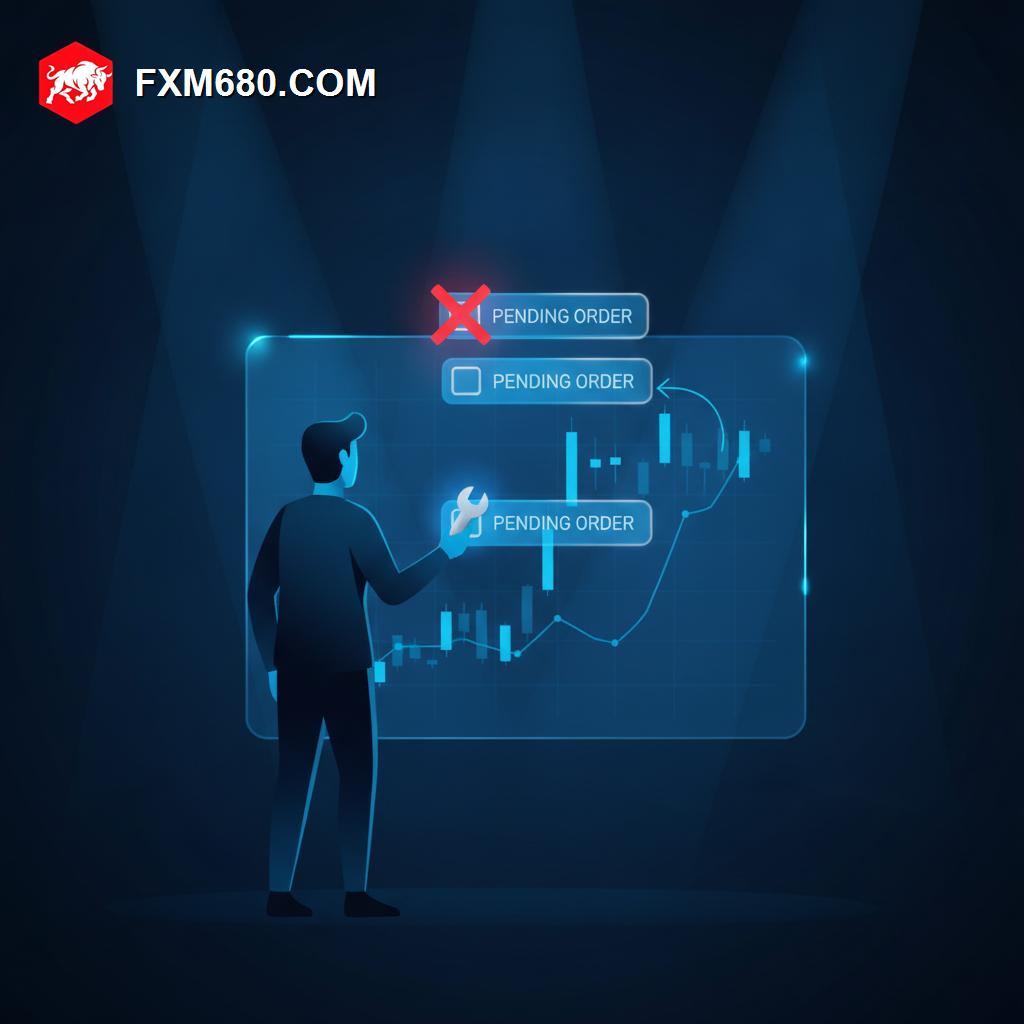
Table of Contents
- What Does Managing Pending Orders Involve? An Overview
- Why Ongoing Pending Order Management Matters
- Detailed Analysis of Pending Order Management Practices
- Step-by-Step Guide to Reviewing Active Pending Orders
- Common Pitfalls to Avoid
- Frequently Asked Questions
- Continue Your Forex Learning Journey with FXM680
What Does Managing Pending Orders Involve? An Overview
Beyond simply placing a pending order, ongoing management involves periodically reviewing whether the original trade idea behind each order is still valid as market conditions evolve. A pending order placed days ago may no longer reflect current analysis.
This management includes adjusting trigger prices, updating stop loss and take profit levels, or canceling orders entirely when the underlying rationale has changed.
Traders who actively manage their pending orders treat them as living components of a trading plan, not “set and forget” instructions left untouched indefinitely.
Why Ongoing Pending Order Management Matters
Markets shift, and a technical level that justified a pending order last week may no longer be relevant after new price action. Leaving outdated orders active risks entering trades that no longer fit current conditions.
Regular review also prevents account clutter, ensuring a trader’s pending order list accurately reflects their current, active trading plan rather than a history of abandoned ideas.
Detailed Analysis of Pending Order Management Practices
Scheduled Reviews
Many traders set a regular cadence, such as daily or weekly, to review every open pending order against current chart conditions and confirm continued relevance.
Expiration Settings
Using built-in expiration settings automatically removes orders that were never triggered within a defined window, reducing the need for constant manual cleanup.
Adjusting for New Information
When new price action shifts the technical picture, updating or canceling an existing pending order keeps the trading plan aligned with the most current analysis.
| Management Practice | Purpose |
|---|---|
| Scheduled Review | Confirms continued relevance of each order |
| Expiration Settings | Automatically removes stale orders |
| Manual Adjustment | Aligns orders with new market information |
Step-by-Step Guide to Reviewing Active Pending Orders
- Open the platform’s pending order list and review each entry individually.
- Compare the current chart against the original rationale behind each order.
- Cancel any order whose underlying technical setup no longer applies.
- Adjust trigger, stop loss, or take profit levels where new analysis justifies a change.
- Set or update expiration times for orders intended to remain valid only briefly.
Common Pitfalls to Avoid
A common pitfall is forgetting about pending orders entirely after placing them, leading to unexpected entries weeks later based on outdated analysis. Another is over-managing orders, adjusting them so frequently that the original trading plan loses coherence.
Frequently Asked Questions
How often should pending orders be reviewed? Many traders review daily or weekly, though the ideal frequency depends on trading style and typical holding period.
Should every pending order have an expiration time? Not necessarily, but it is a useful safeguard for orders tied to short-term, time-sensitive setups.
Is it acceptable to cancel a pending order before it triggers? Yes, canceling an order that no longer fits current analysis is a normal, healthy part of active trade management.
Continue Your Forex Learning Journey with FXM680
Actively managing pending orders keeps a trading plan aligned with real market conditions. The next lessons in this Academy explore stop loss placement and take profit strategy in practical depth.
Disclaimer: The content provided on this page is for informational and educational purposes only. Trading financial markets involves significant risk. Consult with a certified financial advisor before making any investment decisions.
Keep Learning
Keep Your Trading Plan Current
Pending orders need active management, not just placement. Explore the full FXM680 Forex Academy to build habits that keep your plan aligned with the market.