
Pips are the standard unit forex traders use to measure price movement, but a smaller, more precise unit called a pipette exists underneath them for traders who need finer detail. This FXM680 guide explains the difference.
Table of Contents
What Is A Pip? An In-Depth Overview
A pip, short for “percentage in point,” is the standard unit forex traders use to measure a change in a currency pair’s exchange rate — for most pairs, a pip relates to movement in the fourth decimal place. It remains the most commonly used term in everyday forex trading language, even as more precise measurement tools have become available.
What Is A Pipette?
A pipette measures movement one decimal place further than a pip — the fifth decimal place for most pairs — making it exactly one-tenth of a pip. Effectively, a pipette is a “fractional pip,” offering a more granular way to express small price movements than the standard pip alone allows.
Why This Distinction Matters for Traders
Many modern trading platforms display prices with an extra decimal place beyond the traditional pip level specifically to show pipette-level detail, giving traders a more precise view of spread, price movement, and stop/target distances than four-decimal pricing alone would allow. While pip remains the standard reference unit in daily trading conversation, understanding pipettes matters for reading a modern platform’s price feed accurately.
Detailed Analysis of Yen Pairs
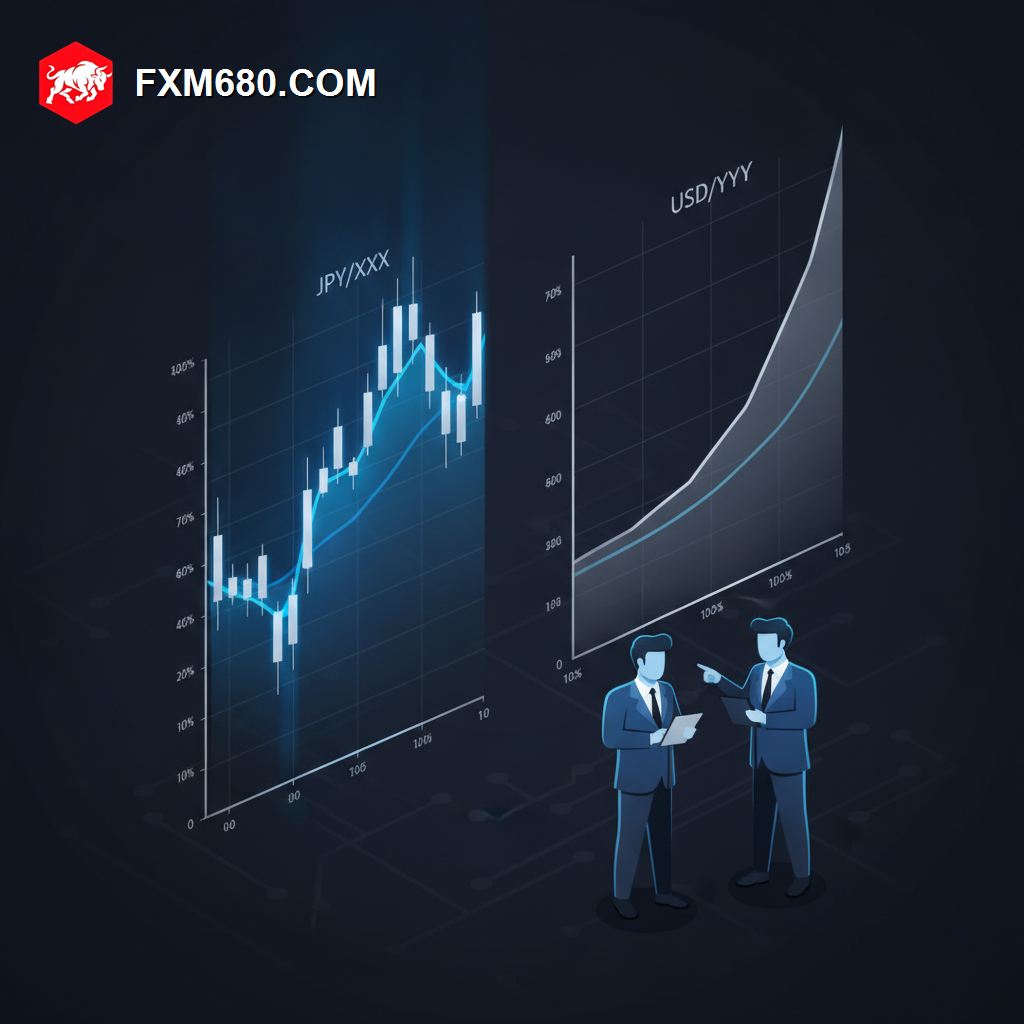
Japanese yen pairs use a different decimal convention than most other currency pairs, since the yen’s value relative to other major currencies sits at a different order of magnitude. For yen pairs specifically, the pip relates to the second decimal place, and the pipette relates to the third decimal place — one order of magnitude closer to the decimal point than non-yen pairs, but preserving the same ten-to-one relationship between pip and pipette.
| Pair Type | Pip Decimal Place | Pipette Decimal Place |
|---|---|---|
| Most pairs (e.g. EUR/USD) | 4th decimal | 5th decimal |
| Yen pairs (e.g. USD/JPY) | 2nd decimal | 3rd decimal |
Where Pips And Pipettes Show Up In Practice
Both units are used to express the spread between bid and ask, describe a price change over time, quantify a trade’s gain or loss, and measure the distance between an entry price and a stop-loss or take-profit level. A tighter, pipette-level view is particularly useful when comparing very similar spread quotes between brokers, where the difference might not even register at the standard pip level alone.
Common Pitfalls to Avoid
A common mistake is misreading a five-decimal quote and mistaking pipette-level precision for full pip movement, overestimating how far price has actually moved. Another is forgetting that yen pairs use a different decimal convention entirely, applying non-yen pip/pipette assumptions to a yen pair and misjudging position size or risk as a result.
Frequently Asked Questions
Is a pip the same across every currency pair? The decimal place it corresponds to differs between yen pairs and non-yen pairs, though the underlying concept of “the standard unit of price movement” applies consistently.
Do all brokers display pipette-level pricing? Most modern platforms do, showing an extra decimal place, though some quote feeds still round to whole pips only.
Is pipette a term used as often as pip in everyday trading? No, pip remains by far the more commonly used term in daily forex trading conversation, even though pipette-level pricing is common on modern platforms.
Continue Your Forex Learning Journey with FXM680
Pips and pipettes are foundational to reading price movement. See Base And Quote Currency Explained and Bid-Ask Spread Explained next.
Disclaimer: The content provided on this page is for informational and educational purposes only. Trading financial markets involves significant risk. Consult with a certified financial advisor before making any investment decisions.
Keep Learning
Master The Fundamentals Of Reading Forex
Pips and pipettes are core concepts every trader needs. Explore the full FXM680 Forex Academy to learn them all.