
Positive vs negative slippage describes the two possible directions a trade’s actual fill price can differ from the requested price, either favorably or unfavorably for the trader. Both are simply outcomes of real-time price movement, as this FXM680 guide explains.
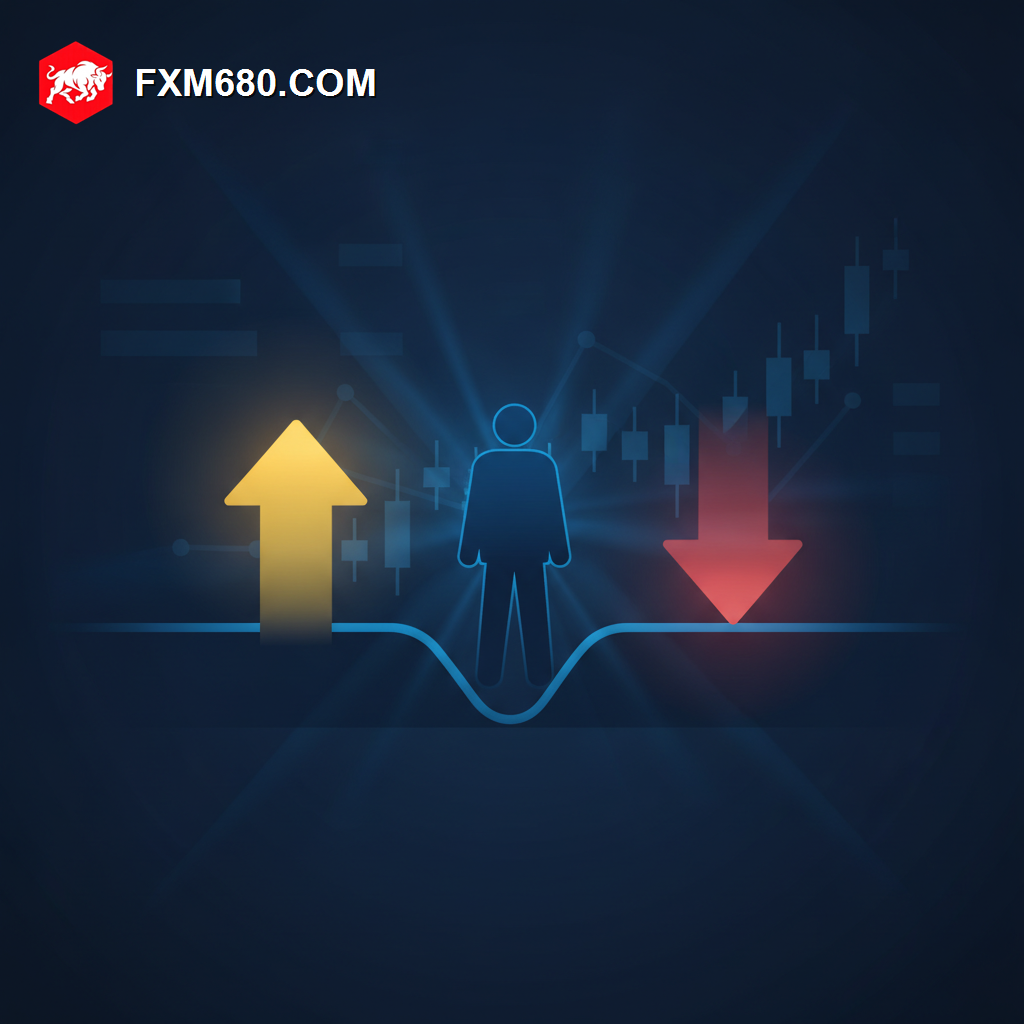
Table of Contents
What Is Positive vs Negative Slippage? An Overview
Positive slippage occurs when a trade fills at a better price than the one requested, such as buying slightly cheaper or selling slightly higher than intended. Negative slippage occurs when the fill is worse than requested.
Both are simply the natural result of price moving between order submission and execution; neither indicates broker error or manipulation on its own, since price can move in either direction during that brief window.
Fair, well-regulated brokers apply both positive and negative slippage as they naturally occur, rather than only ever passing negative slippage on to clients.
Why This Distinction Matters for Traders
Understanding that slippage can work in a trader’s favor as well as against it helps set more balanced, realistic expectations, rather than viewing all slippage as inherently harmful.
This distinction also matters when evaluating broker fairness, since a pattern showing exclusively negative slippage with no positive instances can be a red flag worth investigating further.
Detailed Analysis of Positive and Negative Slippage
Positive Slippage Example
A trader submits a buy order at 1.1050, but by the time it processes, the price has dropped slightly to 1.1048, resulting in a better entry than originally requested.
Negative Slippage Example
A trader submits the same buy order at 1.1050, but price has risen to 1.1053 by execution, resulting in a worse entry than intended.
Statistical Balance
Over a large number of trades with a fair broker, positive and negative slippage instances should roughly balance out, reflecting genuinely random short-term price movement rather than a consistent bias.
| Slippage Type | Effect on Trader | Cause |
|---|---|---|
| Positive Slippage | Better fill than requested | Price moved favorably during processing |
| Negative Slippage | Worse fill than requested | Price moved unfavorably during processing |
Step-by-Step Guide to Tracking Slippage Direction
- Record the requested price and actual fill price for every trade over a meaningful period.
- Categorize each instance as positive, negative, or negligible slippage.
- Calculate the overall balance between positive and negative instances.
- Compare this balance against what would be expected from genuinely random price movement.
- Raise concerns with the broker if a consistent, one-directional pattern emerges.
Common Pitfalls to Avoid
A common pitfall is only noticing and remembering negative slippage instances while overlooking positive ones, creating a skewed perception of broker fairness. Another is drawing conclusions from too small a sample of trades to reflect genuine patterns.
Frequently Asked Questions
Should positive and negative slippage occur equally often? With a fair broker and genuinely random price movement, they should roughly balance over a large enough sample of trades.
Is only negative slippage a sign of broker misconduct? A pattern showing consistently only negative slippage, with no positive instances, can be a legitimate concern worth investigating.
Can a trader benefit from positive slippage regularly? It occurs naturally but is not something to rely on as a consistent strategy component, since it reflects random short-term price movement.
Continue Your Forex Learning Journey with FXM680
Understanding both directions of slippage completes a balanced view of trade execution. The next lessons in this Academy explore liquidity providers and order book concepts.
Disclaimer: The content provided on this page is for informational and educational purposes only. Trading financial markets involves significant risk. Consult with a certified financial advisor before making any investment decisions.
Keep Learning
See Slippage From Both Sides
Slippage can work for you just as often as against you. Explore the full FXM680 Forex Academy to build a balanced, realistic understanding of execution.