
Slippage in forex trading occurs across every execution model to some degree, though its frequency and behavior differ depending on order type, broker, and market conditions. Understanding how it shows up in practice helps traders plan realistically, as this FXM680 guide explains.
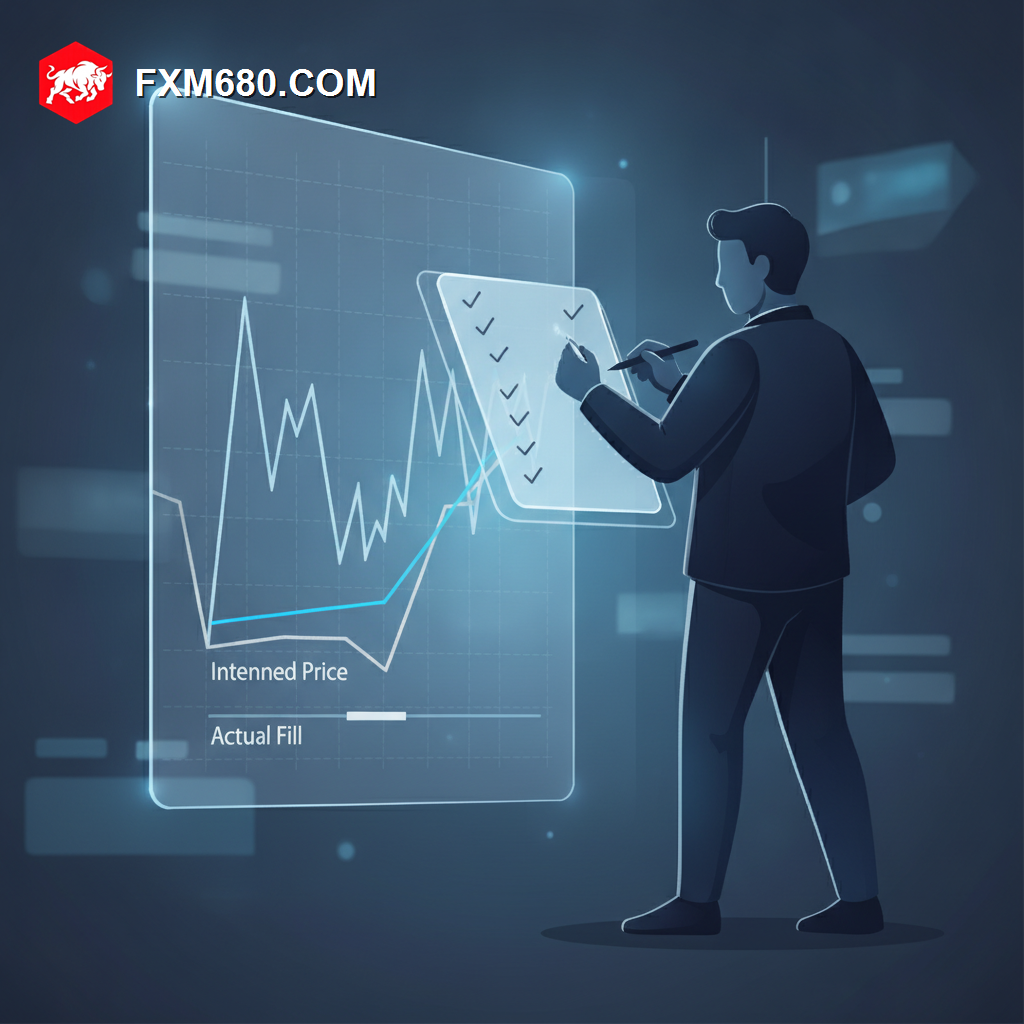
Table of Contents
- What Does Slippage Look Like In Practice? An Overview
- Why Understanding Real Slippage Behavior Matters
- Detailed Analysis of Slippage Across Trading Contexts
- Step-by-Step Guide to Monitoring Slippage Over Time
- Common Pitfalls to Avoid
- Frequently Asked Questions
- Continue Your Forex Learning Journey with FXM680
What Does Slippage Look Like In Practice? An Overview
In everyday trading, slippage typically appears as a small, often negligible, difference between the price observed and the price confirmed on the trade record, most noticeable during volatile market conditions.
Under normal, liquid trading hours, slippage on major currency pairs is often minimal, sometimes less than a single pip, making it a minor factor in day-to-day trading for most strategies.
During major news events or thin liquidity periods, however, slippage can widen noticeably, sometimes reaching several pips on the same currency pairs that normally show almost none.
Why Understanding Real Slippage Behavior Matters
Traders who understand typical slippage patterns for their specific broker and trading pairs can plan more realistically, rather than being caught off guard by an unexpected fill during a fast market move.
This understanding also supports better broker evaluation, since comparing actual slippage behavior across brokers provides more meaningful insight than spread numbers alone.
Detailed Analysis of Slippage Across Trading Contexts
Major Pairs vs Exotic Pairs
Highly liquid major pairs like EUR/USD typically experience less slippage under normal conditions than less liquid exotic pairs, which can show wider gaps even during calm periods.
Time of Day
Slippage tends to be lowest during peak overlapping session hours, when liquidity is highest, and can increase during the quieter transition periods between major sessions.
Order Size Impact
Very large orders relative to available liquidity at a given price level can experience more slippage, since filling the full size may require moving through multiple price levels.
| Context | Typical Slippage Level |
|---|---|
| Major Pairs, Normal Hours | Minimal, often near zero |
| Exotic Pairs | Higher, even in calm conditions |
| Major News Events | Significantly elevated |
Step-by-Step Guide to Monitoring Slippage Over Time
- Record the intended entry price and the actual confirmed fill price for each trade.
- Calculate the difference to track typical slippage for specific pairs and times of day.
- Note any patterns around specific news events or trading sessions.
- Use this data to inform decisions about when and how to place time-sensitive orders.
- Compare slippage patterns if evaluating a change in broker or account type.
Common Pitfalls to Avoid
A common pitfall is drawing conclusions about slippage from a single trade rather than observing patterns over a meaningful sample size. Another is ignoring the specific context, such as pair liquidity and time of day, when comparing slippage experiences across different trades.
Frequently Asked Questions
Is slippage worse on exotic currency pairs? Generally yes, due to lower typical liquidity compared to major pairs like EUR/USD or USD/JPY.
Does slippage happen more at certain times of day? Yes, it tends to increase during low-liquidity periods and major news releases, and decrease during high-liquidity session overlaps.
Can tracking slippage help choose a better broker? Yes, comparing real execution data across brokers offers more insight than spread alone when evaluating true trading cost.
Continue Your Forex Learning Journey with FXM680
Understanding slippage in practical, real-world terms builds on the execution concepts covered earlier in this Academy. The next lessons explore positive versus negative slippage specifically.
Disclaimer: The content provided on this page is for informational and educational purposes only. Trading financial markets involves significant risk. Consult with a certified financial advisor before making any investment decisions.
Keep Learning
Trade With Real-World Expectations
Understanding real slippage patterns helps you plan better. Explore the full FXM680 Forex Academy to build a realistic, data-driven approach.