
Technical analysis studies historical price and volume data to identify patterns and inform trading decisions, operating on the premise that price behavior tends to repeat in recognizable ways. It forms one of the two major analytical approaches used across forex trading, as this FXM680 guide explains.
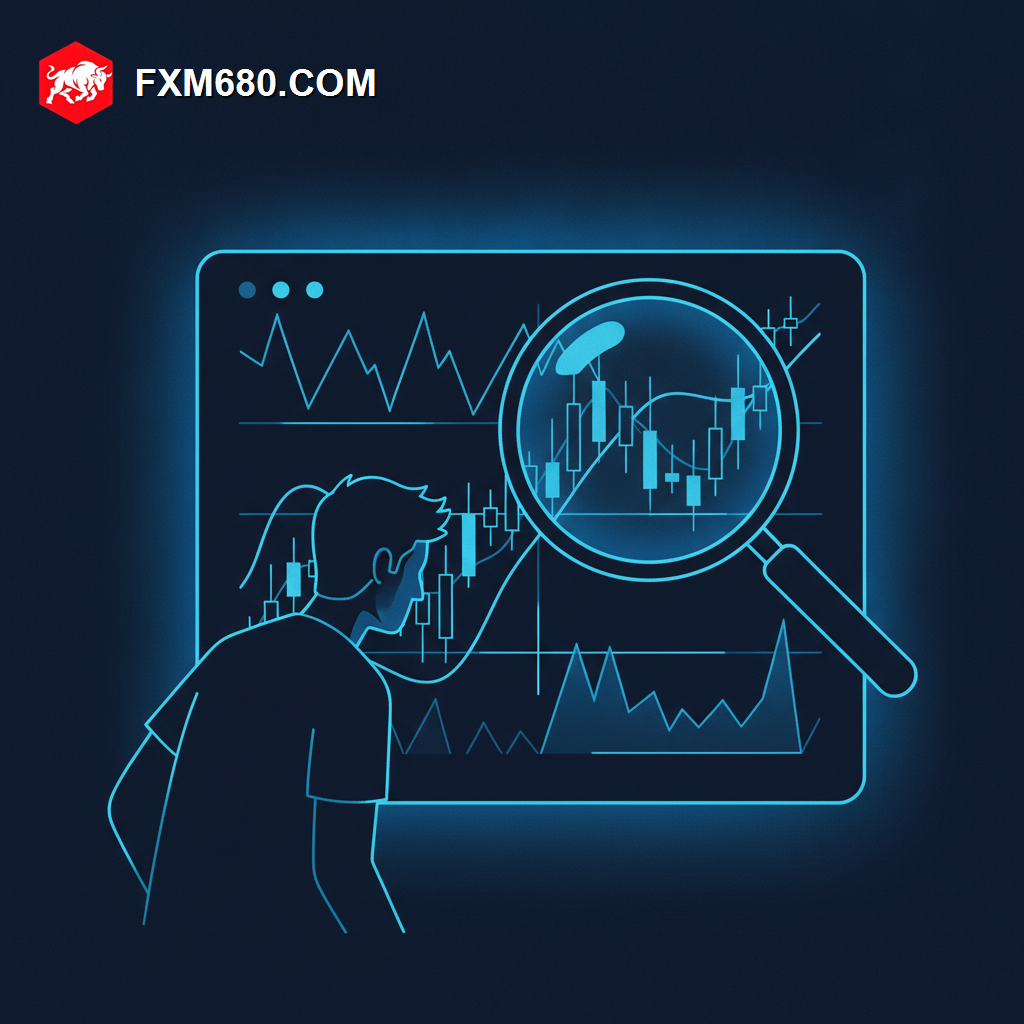
Table of Contents
- What Is Technical Analysis? An In-Depth Overview
- Why Technical Analysis Matters for Traders
- Detailed Analysis of Technical Analysis Foundations
- Step-by-Step Guide to Getting Started With Technical Analysis
- Common Pitfalls to Avoid
- Frequently Asked Questions
- Continue Your Forex Learning Journey with FXM680
What Is Technical Analysis? An In-Depth Overview
Technical analysis focuses entirely on price and volume history, using charts, patterns, and indicators to identify potential future price behavior based on past market activity.
It rests on the underlying assumption that collective market psychology tends to produce recurring, recognizable patterns across different instruments and time periods.
Unlike fundamental analysis, which examines economic data and news, technical analysis relies almost entirely on what the price chart itself reveals.
Why Technical Analysis Matters for Traders
Technical analysis provides a structured framework for timing entries and exits, translating raw price data into actionable trading signals and levels.
Its chart-based nature also matters because it applies consistently across virtually any tradable instrument, without requiring instrument-specific fundamental knowledge.
Detailed Analysis of Technical Analysis Foundations
Price and Volume Data
Technical analysis draws exclusively from historical price movement and trading volume, treating this data as sufficient for identifying meaningful patterns.
Chart Patterns and Indicators
Recognizable chart patterns and mathematical indicators, both covered extensively later in this Academy, form the primary tools of technical analysis.
Market Psychology Assumption
Technical analysis assumes that collective trader psychology, fear, greed, and herd behavior, tends to produce repeating patterns visible directly on price charts.
| Technical Analysis Element | Role |
|---|---|
| Price and Volume Data | Primary raw material for analysis |
| Chart Patterns | Recognizable recurring price structures |
| Indicators | Mathematical tools derived from price data |
Step-by-Step Guide to Getting Started With Technical Analysis
- Choose a chart type and timeframe suited to the intended trading style.
- Study basic trend identification before moving into more advanced patterns.
- Practice recognizing simple chart patterns and indicator signals on historical charts.
- Apply these observations to demo trading before using real capital.
- Continue building pattern recognition skill through consistent, ongoing chart review.
Common Pitfalls to Avoid
A common pitfall is treating technical analysis as a guaranteed predictive science rather than a probability-based framework for informed decision-making. Another is skipping foundational trend and structure concepts to jump straight into complex indicators or patterns.
Frequently Asked Questions
Is technical analysis more reliable than fundamental analysis? Neither is universally superior, since many traders combine both approaches for a fuller market picture.
Does technical analysis work the same across all instruments? The core principles apply broadly, though liquidity and volatility differences can affect pattern reliability.
How long does it take to become proficient at technical analysis? Proficiency develops gradually through consistent study and chart practice over time.
Continue Your Forex Learning Journey with FXM680
Technical analysis forms a core analytical pillar for many traders. The next lesson in this Academy explores exactly how technical analysis actually works in practice.
Disclaimer: The content provided on this page is for informational and educational purposes only. Trading financial markets involves significant risk. Consult with a certified financial advisor before making any investment decisions.
Keep Learning
Read The Chart Like A Professional
Technical analysis turns raw price history into actionable insight. Explore the full FXM680 Forex Academy to build this skill step by step.